The Indian Toilet vs Western Toilet Debate: What Really Matters for Knee Health?
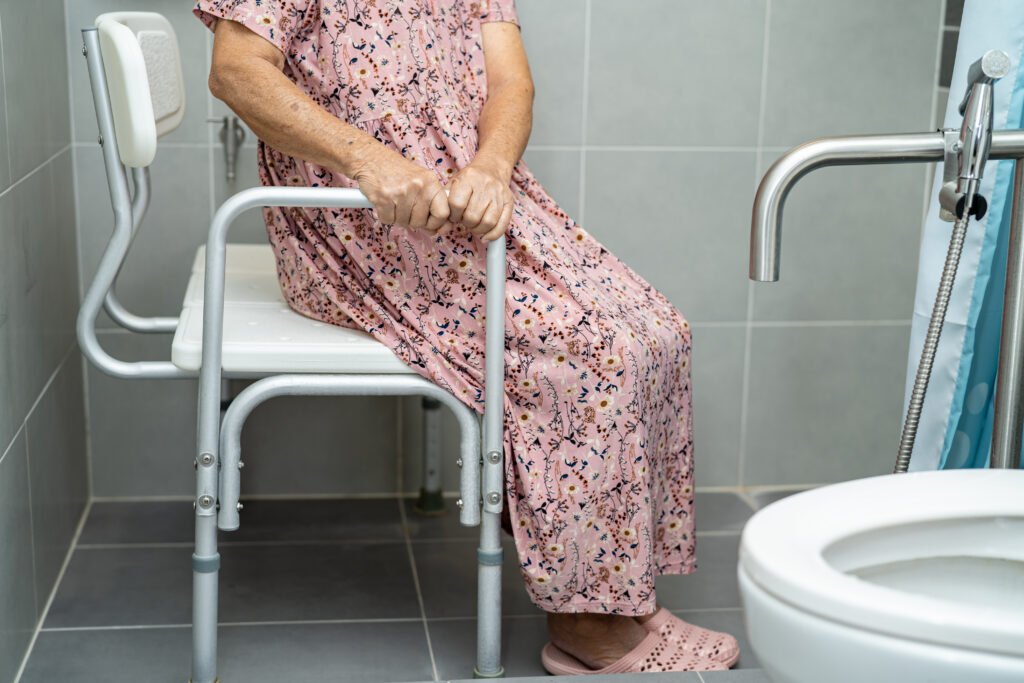
If you’re someone who frequents the gym or engages in at-home aerobic exercises, you may already be familiar with the sensation of soreness around the kneecaps after doing one too many squats. The biggest joint in our body, the knee joint, ensures that we can walk, climb, sit, or squat comfortably. The Indian toilet, with its textured footrest and floor-level setting, has been known to stress this same joint and cause knee pain while squatting.
However, it’s not as simple as it looks. A scoping review of 42 studies on the subject published on PubMed Central notes that Indian toilets reduce digestive strain and improve bowel movements. Western toilets, on the other hand, provide joint relief for the elderly and prevent knee pain, at the cost of bowel-related issues.
This article settles the Indian toilet vs Western toilet debate for those suffering from conditions like knee osteoarthritis and joint stress. Let us understand.
Traditional Indian Toilets: The Case Behind Your Poor Knee Health
Millions of homes across rural and semi-urban India, as well as several public toilets in the country, continue to be fitted with traditional Indian toilets. It requires a squatting position and ensures that a part of the digestive tract is well aligned for bowel evacuation. However, in a full squat, part of our body weight shifts onto our knees. The result is severe stress on the knee joint to keep the body in position.
The benefits get outweighed, especially among already physically vulnerable people:
● The Elderly & PwDs
Apart from the obvious risk that an elderly person may be exposed to when trying to position themselves on an Indian toilet, old people do not possess enough knee strength and flexibility to hold squat positions for long. It is uncomfortable, puts stress on the knees, and makes it extremely difficult for them to stand back up. In people with disabilities, the effect is similar and critical, too.
● People with Knee Osteoarthritis
No one is especially concerned about proper toilet habits and joint health when sitting on the toilet. In people suffering from knee osteoarthritis, excessive squatting can further compress worn areas of the cartilage around joints and cause degenerative changes. Over time, this can become a source of regular knee joint pain, stiffness, and swelling.
An Indian toilet and knee pain go hand in hand. A study published in the Journal of Orthopaedics attests to how deep squatting leads to high peak stress in the knee joints, which damages your cartilage. Sitting toilets, therefore, are worth considering.
How Western or Sitting Toilets Provide Relief to the Knee Joints
Western or sitting toilets have been designed keeping user comfort and convenience in mind. They are particularly useful for people with mobility issues. They don’t cause joint stress or make you strain while sitting or standing up from the toilet. With new high-tech features and ergonomic innovations integrated for comfort, they are the more popular option today.
- Less pressure on the knees can help maintain the health of joint cartilage and prevent knee osteoarthritis and similar conditions
- Post-surgery recovery after knee replacement surgeries can be safe, easy, and comfortable
- Pregnant people can safely use sitting toilets without risking a fall
- Excess knee strength and flexibility are not required to maintain balance while standing up from sitting toilets
While it may seem that you lose out on the digestive health benefits from a squatting toilet, placing a high enough foot stool in front of your Western commode toilet can help elevate your feet.
Physical Therapy: A Reliable Solution for Knee Joint Pain
The Indian toilet vs Western toilet debate can help you reach a decision about the toilet you need to build for long-term knee joint health. It does not help fix the existing conditions you may be suffering from. For that, physical therapy can come to your rescue.
An experienced physiotherapist can help strengthen the muscles around your knee joint so the area is supported better. A clinical trial report published by PubMed Central states how physical therapy treatment allocations help improve pain, physical function, and overall quality of life.
FindPhysio offers home physiotherapy for individuals, elderly people, and people with disabilities looking for pain relief from knee joint pain. Swap out the Indian toilet, sure, but also remember to reinforce your knee health with professionals who can provide sustained healing in your most valuable joint.
Wrapping Up
Knee health is crucial to ensure you can keep doing 5Ks around the neighbourhood and complete the “next adventurous trek” for countless years to come. That’s where the Indian toilet vs Western toilet debate inserts itself. While the former comes with benefits for gut health, it can catalyse joint conditions, such as knee joint pain while squatting. In comparison, Western toilets, with accessories, can offer the benefits of both and ensure sustainable knee health.
Frequently Asked Questions
1. Are there downsides to Western sitting toilets?
Yes. There may be a few downsides to using Western toilets. It increases your exposure to bacteria, and prolonged sitting can put pressure on the pelvic blood vessels, weakening the pelvic floor. You’re safe as long as you maintain proper toilet hygiene and limit sitting durations.
2. Will my health insurance cover physiotherapy?
Whether or not your health insurance plan covers physiotherapy depends on your insurer and the individual policy terms. Most health insurers treat it as a part of post-hospitalisation expenses after knee replacement surgery or similar conditions.
3. Can physiotherapy cure knee pain?
Physiotherapy may not be able to entirely cure knee pain, but it can significantly reduce pain and manage swelling by strengthening supporting muscles.